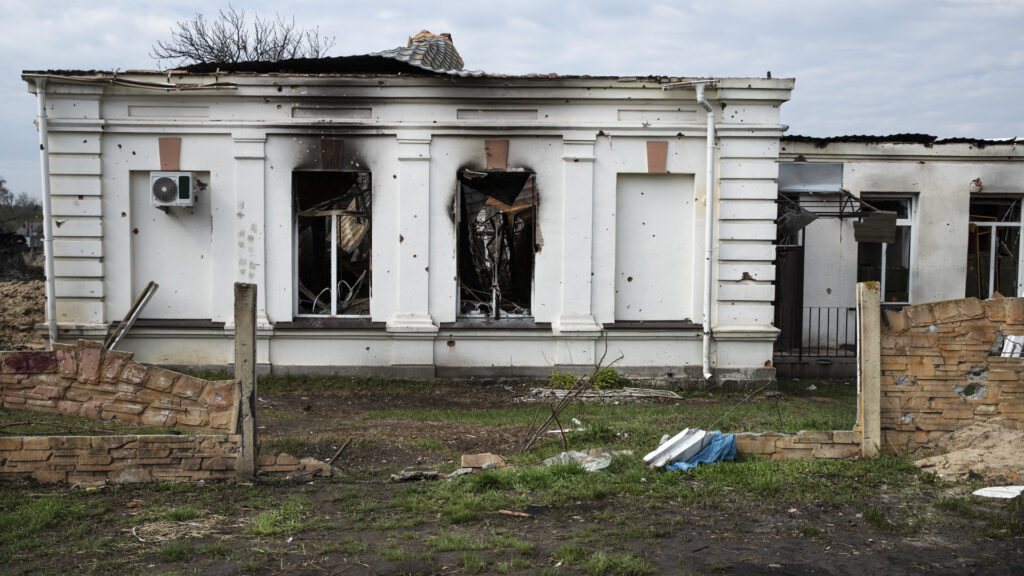
Structural damage is one of the most serious forms of housing disrepair. Issues such as cracked walls, unstable ceilings, damaged floors, or roof defects can make a property unsafe and unfit to live in.
When landlords fail to address these problems, tenants may be entitled to take action through housing disrepair claims.
What Is Considered Structural Damage?
Structural damage refers to faults that affect the stability, safety, or integrity of a building. Common examples in rented properties include:
- Large or spreading cracks in walls or ceilings
- Collapsing or loose plaster
- Sagging or leaking roofs
- Uneven or damaged flooring
- Rotting window frames or doors
- Structural damp caused by external defects
These issues often worsen over time if left untreated, increasing risk to tenants.
Is Structural Damage the Landlord’s Responsibility?
Yes. Under UK law, landlords are legally responsible for maintaining the structure and exterior of rented properties. This responsibility exists regardless of the age of the property or tenancy type.
Structural elements landlords must maintain include:
- Foundations
- Load-bearing walls
- Roofs and chimneys
- External walls and drains
If structural damage is reported and not repaired, the landlord may be in breach of their legal duties.
When Can Tenants Make a Structural Damage Claim?
Tenants may be able to make a housing disrepair claim if:
- Structural issues have been reported to the landlord
- Repairs were not carried out within a reasonable timeframe
- Temporary or ineffective repairs were made
- The damage affects safety, health, or daily living
Tenants do not need to wait for structural failure to take action. Early intervention is encouraged.
Risks Associated with Structural Disrepair
Structural damage can pose serious risks, including:
- Falling debris from ceilings or walls
- Water ingress leading to damp and mould
- Reduced insulation and heating efficiency
- Increased risk of injury
Properties with severe structural defects may be considered unfit for human habitation, strengthening a tenant’s claim.
Evidence Needed for Structural Damage Housing Disrepair Claims
Strong evidence is essential for structural disrepair claims. This may include:
- Clear photographs or videos of cracks or damage
- Reports from surveyors or structural engineers
- Records of repair requests made to the landlord
- Witness statements from other occupants
- Medical records if injuries or health issues occurred
An independent inspection can significantly support a claim.
Structural Damage and Compensation
Compensation for structural damage housing disrepair claims is based on factors such as:
- Severity of the damage
- Duration of disrepair
- Areas of the property affected
- Impact on health and safety
Compensation is often calculated as a percentage of rent for the period the property was affected. More severe cases may result in higher compensation amounts.
For an overview of compensation, see our main guide on housing disrepair claims.
What If the Damage Was Caused by Wear and Tear?
Normal wear and tear is expected in rental properties, but landlords are still responsible for maintaining the structure. Age or deterioration of the building does not remove a landlord’s duty to repair.
Landlords cannot avoid responsibility by claiming the property is old.
Can Tenants Stay in the Property During a Structural Claim?
In most cases, tenants can remain in the property while a housing disrepair claim is ongoing. However, if the damage poses an immediate safety risk, temporary alternative accommodation may be required.
Legal advice can help determine the safest course of action.
What Should Tenants Do if Structural Damage Is Discovered?
Tenants should:
- Report the issue to the landlord immediately in writing
- Take photographs and videos
- Avoid attempting repairs themselves
- Seek professional or legal advice if repairs are delayed
Prompt reporting protects tenant rights and prevents further damage.
When to Seek Legal Advice
If a landlord:
- Ignores reports of structural damage
- Carries out poor-quality repairs
- Allows damage to worsen over time
- Puts tenant safety at risk
It may be appropriate to pursue a housing disrepair claim.
If you are experiencing structural damage in your rented property and your landlord has failed to act, Tenant Housing Disrepair can help you understand your rights and pursue compensation.