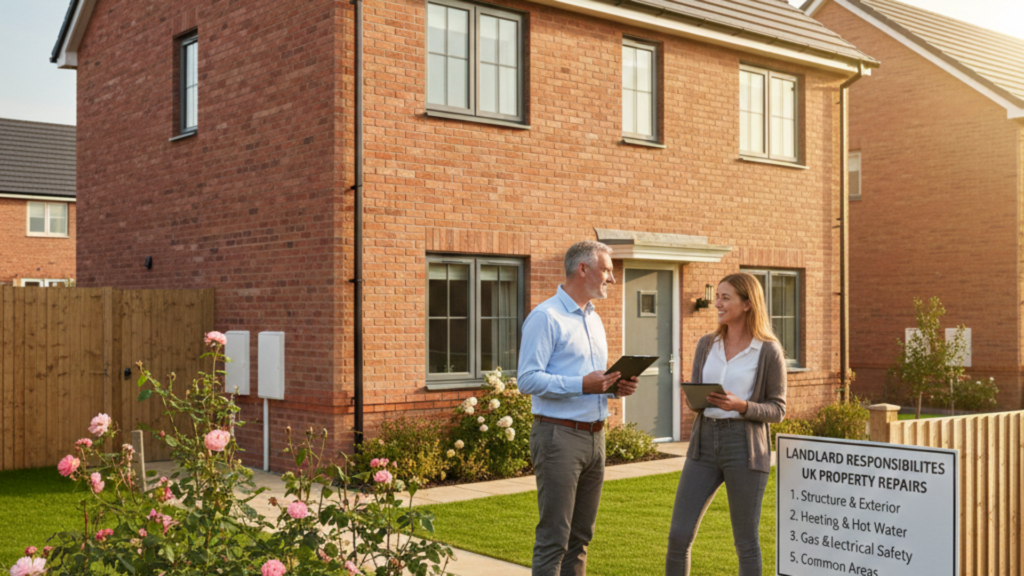
Landlords in the UK have a legal duty to ensure that rented properties are safe, habitable, and properly maintained.
When landlords fail to meet these obligations, tenants may be entitled to take action through housing disrepair claims.
Understanding landlord responsibilities helps tenants identify when a repair issue becomes a legal matter.
What Are a Landlord’s Legal Repair Responsibilities?
UK law clearly outlines what landlords are responsible for repairing and maintaining. These responsibilities exist regardless of whether the tenancy is private, council, or through a housing association.
Once a landlord is aware of a repair issue, they must act within a reasonable timeframe. Ignoring or delaying repairs can lead to legal consequences and compensation claims.
Key Laws Governing Landlord Repair Duties
Landlord repair obligations are set out in several important laws, including:
- Landlord and Tenant Act 1985 – requires landlords to maintain the structure and exterior of the property and ensure essential services are working
- Homes (Fitness for Human Habitation) Act 2018 – ensures properties remain fit to live in throughout the tenancy
- Housing Act 2004 – addresses health and safety risks in residential properties
These laws apply to most residential tenancies in England and Wales.
Repairs Landlords Are Responsible For
Landlords are typically responsible for repairing and maintaining:
Structural and Exterior Elements
- Walls, roofs, ceilings, and foundations
- Windows, doors, and external walls
- Gutters, drains, and external pipes
Essential Services
- Heating systems and boilers
- Hot and cold water supply
- Gas appliances and pipework
- Electrical wiring and fixed installations
Health and Safety Issues
- Damp and mould caused by structural defects
- Ventilation issues
- Unsafe stairs, flooring, or ceilings
If any of these issues fall into disrepair, the landlord is legally required to fix them.
What Landlords Are NOT Usually Responsible For
While landlords have extensive responsibilities, tenants are typically responsible for:
- Minor day-to-day maintenance
- Keeping the property clean
- Damage caused by negligence or misuse
However, landlords cannot refuse repairs by wrongly blaming tenants when the issue is caused by structural defects or ageing systems.
When Does a Landlord Become Legally Responsible?
A landlord becomes legally responsible once:
- They are notified of the problem, or
- They should reasonably have known about the issue
Notification can be given via:
- Email or written letter
- Online repair portals
- Messages through managing agents
It is always advisable to report disrepair in writing to create a clear record.
Reasonable Timeframes for Repairs
What counts as a “reasonable time” depends on the severity of the issue:
- Emergency repairs (no heating, severe leaks, electrical hazards): days
- Serious issues (damp, mould, broken windows): weeks
- Non-urgent repairs: may take longer but should not be ignored
Long delays can strengthen a tenant’s housing disrepair claim.
Consequences of Failing to Carry Out Repairs
If a landlord fails to meet their repair obligations, tenants may be entitled to:
- Enforcement of repairs through legal action
- Financial compensation for inconvenience and discomfort
- Rent reductions for affected periods
- Additional damages if health has been impacted
In many cases, landlords choose to settle once legal proceedings begin.
For a full overview, see our guide on housing disrepair claims.
Can Tenants Force Landlords to Make Repairs?
Tenants cannot carry out major repairs themselves and deduct the cost without following legal procedures. Instead, they should:
- Formally notify the landlord
- Allow reasonable time for repairs
- Seek legal advice if repairs are ignored
Legal action is often the most effective way to ensure repairs are completed properly.
Council and Housing Association Landlords
Council and housing association landlords have the same repair responsibilities as private landlords. In some cases, they may be subject to additional regulatory oversight.
Tenants in social housing have the right to challenge poor living conditions and pursue housing disrepair claims if repairs are not addressed.
When to Seek Legal Advice
If a landlord:
- Repeatedly ignores repair requests
- Carries out poor-quality or temporary repairs
- Allows disrepair to continue for months
- Causes health or safety risks
It may be time to seek legal advice and explore a formal claim.
Take Action With Tenant Housing Disrepair
If your landlord has failed to carry out essential repairs, you do not have to live in unsafe or unhealthy conditions. Tenant Housing Disrepair specialises in helping tenants across the UK enforce their legal rights and hold landlords accountable.
Our experienced housing disrepair team can help you:
- Force landlords to complete overdue repairs
- Claim compensation for discomfort, inconvenience, or health issues
- Navigate the legal process with no unnecessary stress
Most housing disrepair claims can be handled on a no win, no fee basis, meaning there is no upfront cost to you.
Contact Tenant Housing Disrepair today for a free, no-obligation assessment of your case and find out how we can help you secure safe living conditions and the compensation you deserve.