In modern construction, property maintenance, and repair work, one issue continues to impact both structural integrity and tenant health-mould growth caused by moisture and shrinkage-related defects.
Whether it’s cracked walls, poor sealing, or gaps forming over time, shrinkage can create the perfect environment for mould to thrive.
This is where mould compensation becomes essential. By applying the right techniques, property owners and housing authorities can prevent long-term damage, reduce repair costs, and ensure safe living conditions.
At Tenant Housing Disrepair, we specialize in identifying and resolving mould issues with advanced mould compensation strategies tailored to each property.
What is Mould Compensation?
Mould compensation refers to the corrective measures taken to address and prevent mould growth caused by structural shrinkage, moisture retention, and poor ventilation.
Shrinkage in materials like concrete, plaster, and wood can create micro-gaps and cracks. These small openings allow moisture to seep in, leading to mould formation over time.
Effective mould compensation focuses on:
- Sealing cracks and gaps
- Controlling moisture levels
- Improving ventilation
- Using mould-resistant materials
Why Shrinkage Leads to Mould Problems
Shrinkage is a natural process in buildings, especially in new constructions or poorly maintained properties. However, when not managed properly, it can lead to:
- Water infiltration through cracks
- Condensation buildup inside walls
- Damp patches that encourage mould growth
- Structural weakening over time
These issues are particularly common in rental properties, where delayed repairs can worsen the situation.
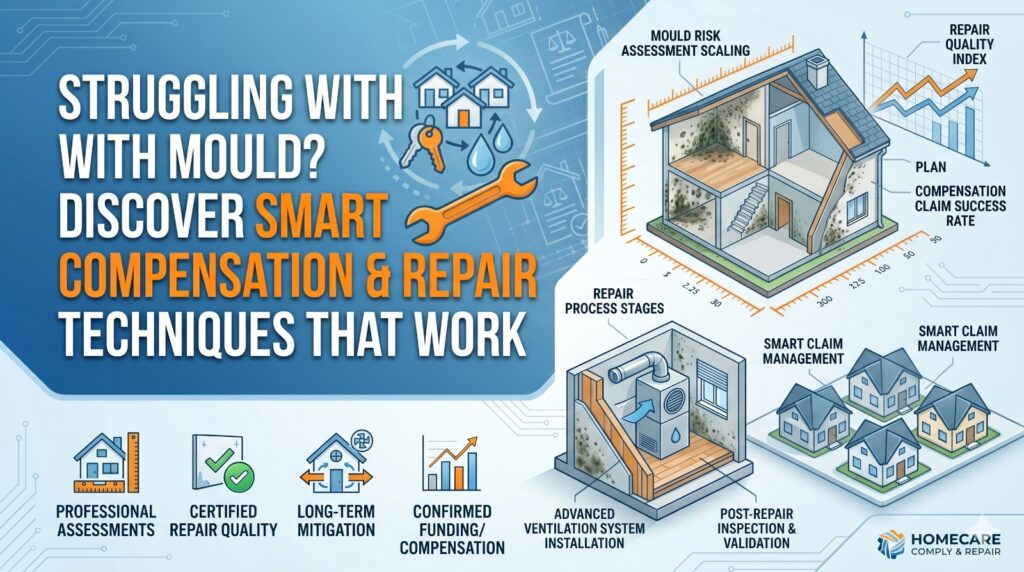
Smart Mould Compensation Techniques That Work
1. Crack Sealing and Structural Repairs
One of the most effective mould compensation methods is sealing shrinkage cracks using high-quality fillers and sealants. This prevents moisture from entering walls and ceilings.
Pro Tip: Early detection can save up to 40% in repair costs.
2. Moisture Control Systems
Controlling humidity is critical. Dehumidifiers, waterproof coatings, and proper drainage systems can significantly reduce moisture levels.
- Install damp-proof membranes
- Use water-resistant paints
- Fix leaks immediately
3. Improved Ventilation Solutions
Poor airflow is a major cause of mould growth. Smart ventilation systems help regulate indoor humidity.
- Install extractor fans in kitchens and bathrooms
- Ensure windows allow proper airflow
- Use mechanical ventilation systems where needed
4. Use of Mould-Resistant Materials
Modern construction materials are designed to resist mould growth. These include:
- Anti-mould paints
- Treated plasterboards
- Moisture-resistant insulation
5. Regular Property Inspections
Routine inspections can identify early signs of shrinkage and mould before they become serious problems.
At Tenant Housing Disrepair, our experts conduct detailed inspections to detect hidden moisture issues and recommend targeted mould compensation solutions.
Benefits of Effective Mould Compensation
Implementing proper mould compensation techniques offers multiple advantages:
✔ Healthier Living Environment
Mould can cause respiratory issues, allergies, and other health problems. Eliminating it improves indoor air quality.
✔ Reduced Repair Costs
Addressing shrinkage early prevents expensive structural damage later.
✔ Increased Property Value
Well-maintained, mould-free properties attract better tenants and higher returns.
✔ Legal Compliance
Landlords must provide safe living conditions. Proper mould compensation helps meet housing regulations and avoid legal disputes.
Why Choose Tenant Housing Disrepair?
At Tenant Housing Disrepair, we understand the challenges tenants and landlords face when dealing with mould and structural issues.
Our approach includes:
- Comprehensive property assessments
- Customized mould compensation strategies
- Fast and effective repair solutions
- Compliance with housing standards
We don’t just fix the problem-we provide long-term solutions that prevent it from coming back.
Signs You Need Mould Compensation Immediately
If you notice any of the following, it’s time to take action:
- Persistent damp smell
- Visible mould patches on walls or ceilings
- Peeling paint or wallpaper
- Cracks in walls or ceilings
- Increased humidity indoors
Ignoring these signs can lead to serious health and structural risks.
FAQs
1. What is the main cause of mould in properties?
The primary cause is excess moisture, often due to shrinkage cracks, leaks, or poor ventilation.
2. How does mould compensation help?
Mould compensation addresses the root causes-sealing gaps, reducing moisture, and improving airflow-to prevent mould growth.
3. Is mould compensation expensive?
Costs vary depending on the severity, but early intervention is always more cost-effective than major repairs.
4. Can mould come back after treatment?
Yes, if underlying issues like moisture and shrinkage are not fixed. That’s why proper mould compensation is essential.
5. How quickly should mould issues be addressed?
Immediately. Delaying can worsen health risks and increase repair costs.
Take Action Today – Protect Your Property and Health
Mould problems don’t go away on their own-they get worse over time. The key is early intervention with the right mould compensation techniques.
Tenant Housing Disrepair is here to help you eliminate mould, fix structural issues, and create a safer living environment.
Contact us today for a professional inspection and customized mould compensation solution.
Let’s restore your property and peace of mind-quickly, safely, and effectively.